Is an Oil Catch Can the way to go

Norberto Trevino

Member
T6 Pro
Hi guys.
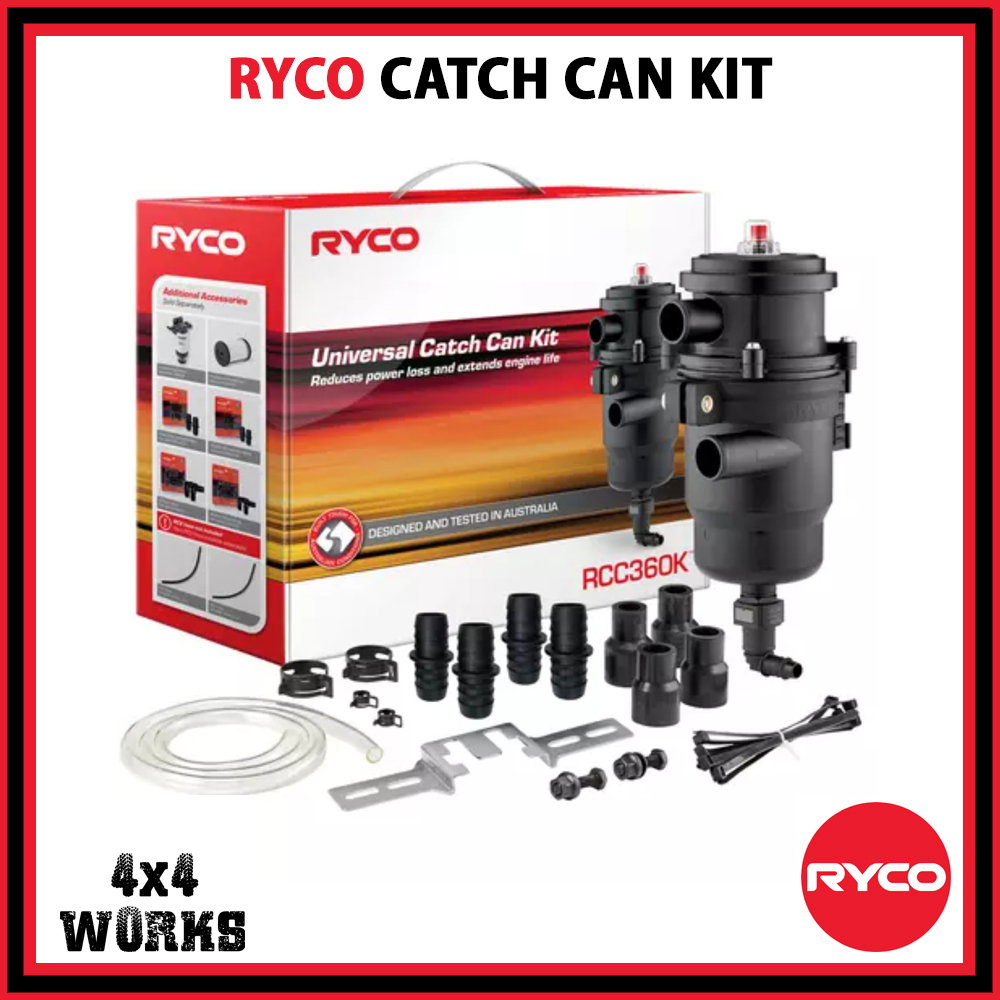
I think the issue of an oil catch can is not settled yet. I reviewed past posts and it seems that a fitted catch can was more trouble than a solution.
・ Does a T6 engine really needs a catch can?
・ Is there a work-around to the computer problems it has generated in a past post?
・ Should I expect engine trouble in the long run due to oil vapors from the crankcase recirculation?
・ Is this a real issue?
・ Or are there other options that I can address to avoid trouble, or improve normal operation of my engine?

My engine is still fine (so far or so I think) but it doesn't have that much Kms in the tach (only under 107k for a 2018). The only real issue is that MPGs have been steadily decreased buy small increments. I do not know is those vapors have anything to do or not.

TIA


Norberto
 
Greeting from South Africa,

I have owned VW's for the last 35 years.

In 2021, I placed an order for a VW T6.1 CXHA engine 150Hp Transporter which finally arrived 9 months later, in March 2022.

I immediately fabricated a stainless steel bracket and fitted a ProVent 150 oil Catch can after driving it off the showroom floor.

Interestingly, emissions are not a big deal in our country and many of the vehicles do not even come with AdBlue and also only have 1 (Small) DPF.

I have always fitted Oil Catch Cans to all of my vehicles and wanted to share with the audience the advantages.

Our service intervals in South Africa are every 15 000Km or 12 months, however I personally change the oil filter and oil every 7500Km. It is excessive, but I plan to keep this vehicle for at least 12 to 15 years.

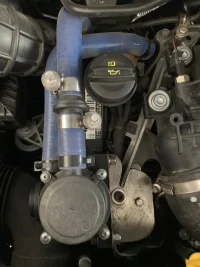
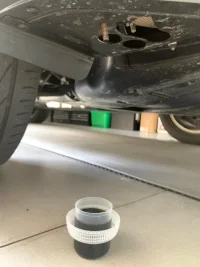
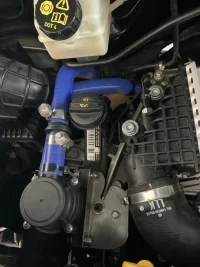
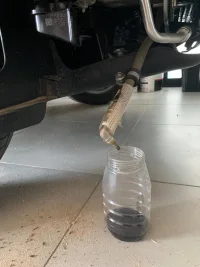
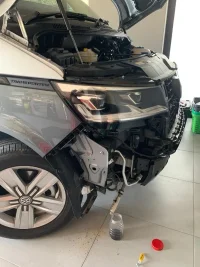
Attached are a few photos of how I installed a ProVent 150 catch can (There is insufficient space, to fit a ProVent 200), which I drain every 5000Km. It consistently catches and drains around 75 to 100 Millilitres plus, every 5000Km. The vehicle now has 35 000Km's on and I have drained off more than 750 millilitres of oil that would have passed through and been coating and clogging up the intercooler and throttle body.

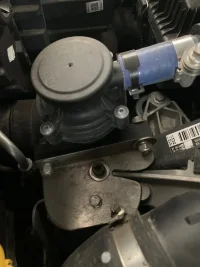
The Catch can is spliced into the plastic pipe that connects the PCV valve to the turbo inlet pipe.

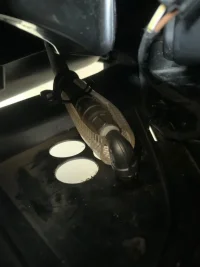
There is a 80cm (approximately) long pipe that is attached to the bottom of the catch can, with a ball valve and 90 degree brass elbow fitting at the end of it.

The drain pipe is held in place at various places with Adel cushioned clamps. It did take 1 hour to get the front bumper on and off, but it is real easy to do and you will need an assistant. Attached is an easy to follow instruction manual, of how to remove the front bumper.

The 90 degree brass elbow can be seen protruding through the bottom of the plastic bumper, and the 1/4" ball valve is next to it without the handle.

I only use the handle when I am ready to drain the oil out, so that it does not get inadvertently knocked open by road debris.


Cheap and easy preventative maintenance, to keep your Diesel engine intercooler and throttle body clean.

WhatsApp Image 2024-12-26 at 09.28.33.webp

WhatsApp Image 2024-12-26 at 09.28.32.webp

WhatsApp Image 2024-12-26 at 09.28.31.webp

WhatsApp Image 2024-12-26 at 09.33.04.webp

Image 2024-12-26 at 09.33.03.webp

App Image 2024-12-26 at 09.33.03.webp

Image 2024-12-26 09.33.03.webp
 

Attachments

Back
Top