
Scottishstu
Member
Hi all,
Currently in the middle of planning the electrical setup for my T6.1 LWB camper conversion and just wanted to get some opinions from people who have gone down a similar route.
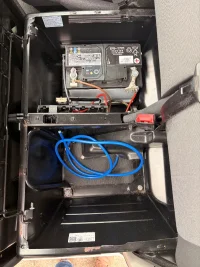
The van already has the factory fitted auxiliary battery setup under the passenger seat along with the factory charge feed from the starter battery already run into the seat base. I’ve also already run my shore power cable up to the engine bay ready for hookup/consumer unit install.
Current plan is:
I’m not planning a full “off-grid expedition van”, but equally don’t want to under-spec it and regret it later.
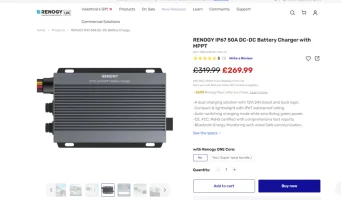
I was originally looking at a full Victron setup, but the Renogy DC-DC/MPPT combo unit seems really appealing from a cost and simplicity point of view, especially with Bluetooth built in.
Plan at the moment is:
Trying to do it properly first time
Cheers
Currently in the middle of planning the electrical setup for my T6.1 LWB camper conversion and just wanted to get some opinions from people who have gone down a similar route.
The van already has the factory fitted auxiliary battery setup under the passenger seat along with the factory charge feed from the starter battery already run into the seat base. I’ve also already run my shore power cable up to the engine bay ready for hookup/consumer unit install.
Current plan is:
- Remove factory lead acid leisure battery
- Upgrade to lithium (likely around 200–230Ah)
- Renogy DC-DC charger with built in MPPT
- 2000W pure sine inverter
- Victron SmartShunt
- Shore power hookup with consumer unit + AC charger
- Solar provision later down the line
- weekends away being off grid
- occasional longer trips
- YouTube filming/editing
- charging drone batteries/laptops/cameras etc
- usual camper loads (fridge, lights, diesel heater etc)
I’m not planning a full “off-grid expedition van”, but equally don’t want to under-spec it and regret it later.
I was originally looking at a full Victron setup, but the Renogy DC-DC/MPPT combo unit seems really appealing from a cost and simplicity point of view, especially with Bluetooth built in.
Plan at the moment is:
- lithium battery under driver seat
- passenger seat becoming the main electrical hub (DC-DC, busbars, fuses etc)
- inverter
- anyone running the Renogy setup long term?
- any reliability issues?
- anything you wish you’d done differently?
- is 2000W inverter the sweet spot or overkill?
- anyone mixing Renogy + Victron components successfully?
Trying to do it properly first time
Cheers