Movano insulation

Jimmyr

New Member
Hello

Yesterday I bought an Opel (Vauxhall) Movano L2H2

I also want to insulate this one but do not want to work with Armaflex/K-flex anymore
I was very unhappy with Armaflex/K-flex with especially because it holds so much heat in the summer, even by evening it still felt warm

I am from Belgium so ordering from the UK is almost impossible, many companies do not ship to Belgium or there is a high cost for import/tax.

Against the cold I will use Ecopeg 39 (Pet insulation) I will not fill the cold bridges anymore with it.

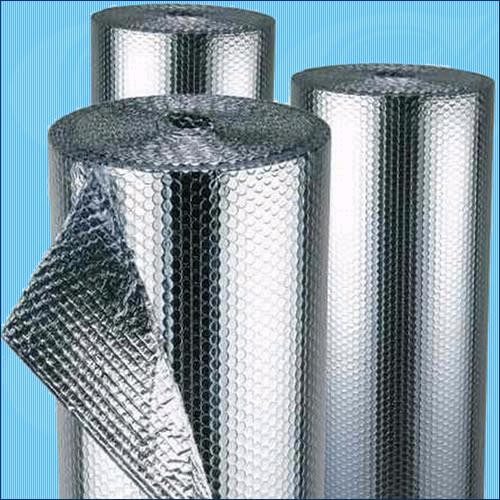
As a first layer I want to do a Thermal liner of 10mm then as much as possible with Ecopeg 39 (35mm) the cold bridges I thought to cover with aluminum tape and against the wall/ceiling panels an extra layer of Self-adhesive Reflective Insulation Foil with Double Layer of bubble wrap to keep the sun heat out as much as possible, I finish the inside of the panels with 4 Way Super Stretch Lining Carpet

Link Self-adhesive Reflective Insulation Foil :

Is this a good way to insulate?
 
Hi fellow Belgian!

Unfortunately I have no solid advice about that product for you.

I also wanted to use Armaflex for my van as my sister is really loves it in her van. Were the windows the problem in letting the heat in? I’m going to get my back windows tinted with nano ceramic foil, it’s supposed to keep a lot of heat out as well. I think it’s a combination thing, this and that and that?
 
No it's not a window thing, after a hot sunny day in the evenin, feel how much heat the armaflex gives off, it is literally rubbish to use as camper insulation
I decided after some testing with an Infrared Thermometer not to insulate any more just treat the inside with anti-rust and finish with Needle felt.
 
With many vehicles it is not possible to line them with the same type, quality and thickness as one might on ones own home. Vehicles are comparatively small and often do not have large square metres of flat and convenient spaces to fit it. A panel van probably has the largest uncluttered area where one could fit domestic insulation such as Kingspan or Celotex, sheeting, or other similar easy to use household insulate. All these have defined thermal values. I am not sure that some of the rolls of insulating material available from most vehicle outlets is as efficient. Quite a while since I perused the sites of Kingspan or Celotex but they may have other products that might be useful. Celotex and Kingspan are stiff board and offer excellent insulating properties . I lined a Landrover 101 Forward Control radio body, lots of flat areas, an ex military vehicle with something similar may years ago from one of those products and the effect was outstanding. The sheeting is available in various sizes, lengths widths and thicknesses but it is stiff. Ideal for flat surfaces one would need to score it to encourage it to bend. If one could use that or adapt it to fit larger areas it would be very good then use something a little less stiff or more easy to contort to modern vehicles in other areas of the vehicle. Most people on here and other camper-sites tend to use flexible rolls of various rubberised or plastic, to line vehicles with because they are easier to manipulate and often might come with adhesive backing. Defiantly do insulate your vehicle but give it some thought and research and decide what you want to do. Loads of places on here where people have insulated Transporters.


Sheep Wool is also available for use as an insulate for housing and could be used for vehicle use. Very popular in the Green communities.


plenty of other sites
 
Last edited:
Thermal liner against sun heat and Pet insulation against cold is what I recommend (advantage of Pet insulation vs Wool is that Pet insulation does not absorb moisture)

But insulating against the cold is not necessary for me, just turn up the heating a degree in colder months

If you rly want stuff like Armaflex (but dont use it) buy Kflex-st then
 
Some feedback from some people fitting into camping vehicles via an outlet


Wool is exothermic when it is wet. I think it depends on how it is used and where exactly. Most mountain sheep do not get saturated even when exposed for very long periods throughout the winters. If I had a vehicle that was being wading frequently I would use some thing else particularly the parts that where constantly underwater. However I f I was insulating a vehicle now I would need to know the technical details of many products before I chose what for where. If I was insulating my loft at home a Welsh Farmhouse i would tend not to use it on the floor of the loft/ attic because of the risk of rodent infestation bat droppings etc the sloping areas of a roof would be OK and if on the floor it would need covering and sealing to resist entry. Occasionally get squirrels also but not for a little while now but I would probably fit Kingspan or similar sheet material on the floor areas of the roof.

Not having insulation in a vehicle that one is living in is a course condensation through breath and warm moist air. This condenses immediately on contact with cold surfaces such as steel or aluminium. Heating cold humid air with high relative humidity %, reduces the relative humidity% until that air is cooled again and its relative humidity% returns to what it was originally hence misty windows and wet walls.
 
I never suffer from condensation but I also always sleep with the sliding door open summer and winter

You do not need insulation against condensation, but you do need a vapour barrier, and the more surface area you cover the less condensation will form in the interior

They fully understand how to insulate a Van

Most fabric mobilehomes are insulated with Xps, Thermal liner from brands like Dodo or dead-sound uk ect ((10 mm thick is more than enough )) and there Thermal fleece (Pet insulation) are also good
Thermal liner is also a closed cell foam product but with an extra reflect layer against the sun's heat and that's where Armaflex fails
 
Having the door open is fine for some and lowers the temperature adds ventilation. I used to sleep in mountain tents with the door open and no heating but little to form condensation on So what your suggesting is put a vapour barrier against the steel hull and that will prevent condensation. I like vapour barriers like torvic?? but it has little thermal value and would not prevent condensation or are you suggesting a gap of how much between barrier and steel hull. Therefore using the air as an insulate or the condensation forms on the steel hull but cannot drip onto the incumbent sleeper?
 
10 mm thermal liner is more than enough, you normally only need to do the ceiling, but if you want to do the sides as well, you can certainly do this

R-valua is overrated for vans it's not a house, Any R-value is nullified because of the way vans ars insulated, you just can't do this correctly to have any benifit from a higher R-value or you have to make walls of 15-20 cm but if you really want to insulate against the cold, cover as much as possible with Xps or Pet insulation, Pet insulation also has the advantage that you can put it in anywhere with the big plus that it does not absorb moisture.

I have now done my ceiling with bubble wrap which has a reflect layer on both sides, can be found on amazon aswell


some extra about armaflex

-Me a black Vivaro
-My mate a grey Vivaro

-In my Vivaro i used as much thermal liner with reflect layer of Dodo (10mm) + everywhere I could 50 mm Dodo Fleece

-My mate
As much as possible Armaflex 19mm + 10mm + everywhere he could 50 mm Dodo Fleece

In summer towards evenin, his Vivaro stays alot warmer inside , at the ceiling/side you can feel the heat for a long time, the Armflex retains heat abnormally long

My vivaro which is black does not have this problem due to the reflective layer

Armaflex or any other Closed cell foam is also rubbish against cold insulation, for that you use Xps or Pet/wool insulation.
 
I never suffer from condensation but I also always sleep with the sliding door open summer and winter

You do not need insulation against condensation, but you do need a vapour barrier, and the more surface area you cover the less condensation will form in the interior

They fully understand how to insulate a Van

Most fabric mobilehomes are insulated with Xps, Thermal liner from brands like Dodo or dead-sound uk ect ((10 mm thick is more than enough )) and there Thermal fleece (Pet insulation) are also good
Thermal liner is also a closed cell foam product but with an extra reflect layer against the sun's heat and that's where Armaflex fails
Only able to run the video earlier today computer refused to run it could have been security but most probably laptop needed rebooting as it ran this PM, basic physic but nicely explained. Towards the end of the film he showed his selection materials very good some vehicles are very easy to do as the are basic and have areas of flat panel and other vehicles more complex windows equipment seating and less flat panels but more curves and cubby boxes. He showed some king span sheet which is similar to what I used in my Landrover 101 FC Radio Body, I believe that I used 25mm has its own barrier. If I was using wool I would just sandwich it between plastic sheet and seal it. I posted it because some people like to use it particularly those with green leanings. Have never used it my self but will read sup on some of the manufacturing blurb to see if some of the product might be useful as it has been used for many years and has some good properties. One site claimed zero permeability but I would need to confirm that before I used it. Present vehicle is a UK 146kw 199bhp Caravelle Executive, leather seating in 3 rows but have taken a row out, 4Motion with diff locks. I not sure if I will strip it out to insulate as their is a plethora of bits and pieces, wiring vents etc under the liners. If I owned a panel van I would use Kingspan as thick as was sensible most panels have stiffeners or window frames and would probably insulate until flush the same with the roof. Areas that could not be covered by flat sheet and I would try to form it into bends where possible a simple curved roof would be fine but the corners would need some application of thought and cunning or use an alternative material. A larger vehicle I would use 50mm if possible but that might impose on living space so I would make my mind up at the time if that opportunity ever presented. Would prefer a ex military off road vehicle but how long are they allowing us to use them may force us to e vans and I do not think that the military will be going their any time soon that is even if we will be driving at all if war or serious hostilities break out oil supplies are very vulnerable.
 
Last edited:
I am a big fan of Wallas Diesel Hot plate Cookers with heating fans as they do not vent into the vehicle but use a flue to vent fumes. The fans are located within the lid which has a thermo switch that operates the fans when the lid is closed. They run on Diesel either from its own tank supply or from the vehicles own supply. They are very efficient and can run all day if needed. Of course heating food produces vapour or steam but the cookers do not. I heatedly recommend them, I have no links!

 
Back
Top