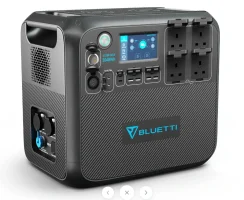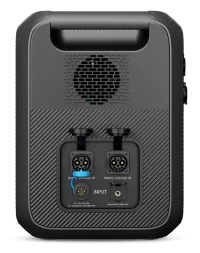
Bluetti Charger 2 advice

T6.1Mark

Member
T6 Pro
Morning guys.

Im getting the van converted next month at The Ply-Guys. I’ll post pics and a review when its finished.

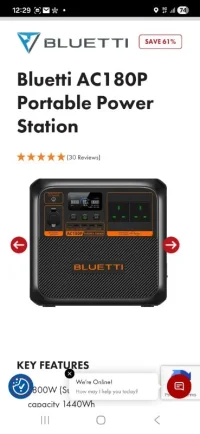
Im getting an autoterm heater installed in the next couple of weeks. I have a bluetti ac180p thats going to be my main source of power. This will include heater, fridge etc.

Im looking at purchasing the charger 2. Im a bit useless at these kind of things so i’ll probably ask Northview Customs to install this when doing yhe heater.

Question: can anyone point me in right direction of what cables, fuse boards and anything else i’ll require for them to do the job, please?

I had a look around the forum and online, its not very clear.

All advice is very welcome.

Cheers!
 
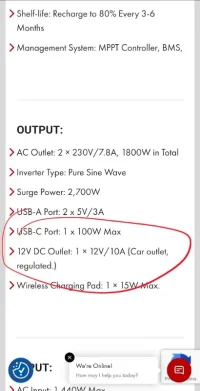
I'm not Sure that will run your heater etc directly from its 12v output....

You might need to install 15a/20A PSU, ope standard leisure battery.

The heater will draw more power than the 180 unit can provide, and it will cut out.

Screenshot_20260205_122903_Chrome.webpScreenshot_20260205_122858_Chrome.webp
 
Diesel heaters work best in a standard leisure battery.
 
Diesel heaters work best in a standard leisure battery.
Thanks for your response buddy.

I've seen a few youtube videos where folk are using this setup successfully to operate their autoterm heaters. But i guess this is something i might news to look into further.

Thanks for your input.

Mark
 
Thanks for your response buddy.

I've seen a few youtube videos where folk are using this setup successfully to operate their autoterm heaters. But i guess this is something i might news to look into further.

Thanks for your input.

Mark
the start up and shut down will put more Amps, plus the PPP output is regulated 12.xV, not the 13odd volts you get from a Full LB,

end result is you can get problems. . . the Bluetti Apex300 gets around this with its 50A output via the D1 Hub. - but its huge for a T6.

I've run into issues running a derv heater on PPP`s from Anker,Ecoflow & Bluetti when i tried running a Portable heater on a campsite for a family tent.

and again when trying to run one to keep a gazebo warm at a family gathering. . . i gave up in the end and used a battery box.

fingers crossed it all works out well for you. . .
 
the start up and shut down will put more Amps, plus the PPP output is regulated 12.xV, not the 13odd volts you get from a Full LB,

end result is you can get problems. . . the Bluetti Apex300 gets around this with its 50A output via the D1 Hub. - but its huge for a T6.

I've run into issues running a derv heater on PPP`s from Anker,Ecoflow & Bluetti when i tried running a Portable heater on a campsite for a family tent.

and again when trying to run one to keep a gazebo warm at a family gathering. . . i gave up in the end and used a battery box.

fingers crossed it all works out well for you. . .
I looked around online and apparently people are using a “AC - 12V converter” to account for the start up/cool down phase.

I’ll need to set aside some time to get my head round this tbh.

Thanks again
 
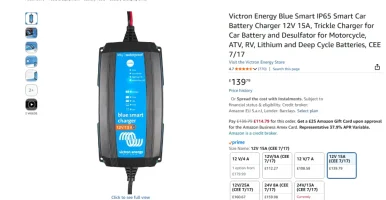
weve seen some people get around this by using a 12v 15A charger like this one. . . in Power Supply Mode.

were is outputs a health 13.6v up to 15A that will happily run any Derv heater. . .


BUT. . .

the Caveat is that you need to have the AC180 AC mains turned on all the time - which will run it flat faster, as you loose efficiency through the inverter to mains.


1770305586169.webp
 
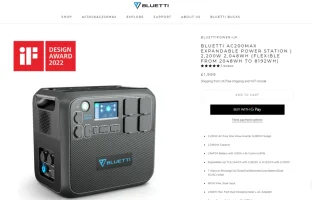
also on my Bluetti . . AC200max


i found it lost 1% capacity - per hour when switched on ( doing nothin!!!).

that was 24% per day

and 100% dead flat after 4xdays.

so did not work for me as a substitute leisure battery. . . as you could not keep it charged quick enough over the weekend camping.


that was BEFORE they bought out the Engine charger. - at least now you can charge from the engine bay at a faster rate, and some change of getting the unit charged up again for the next 24hrs cycle.


1770305949834.webp
 
and other stuff you might find usefull


also on my Bluetti . . AC200max


i found it lost 1% capacity - per hour when switched on ( doing nothin!!!).

that was 24% per day

and 100% dead flat after 4xdays.

so did not work for me as a substitute leisure battery. . . as you could not keep it charged quick enough over the weekend camping.


that was BEFORE they bought out the Engine charger. - at least now you can charge from the engine bay at a faster rate, and some change of getting the unit charged up again for the next 24hrs cycle.


View attachment 315899

Losing 1% an hour doing nothing seems bizarre, do you reckon you had a dodgy unit or is that actually what they do?

I can see these things have a place for family camping or something where you're in a tent but can't do without a hair dryer or whatever, but for a fixed installation in a van they just seem like a worse, and more expensive, solution than a decent leisure battery (and inverter if you really need 240v).
 
Losing 1% an hour doing nothing seems bizarre, do you reckon you had a dodgy unit or is that actually what they do?

I can see these things have a place for family camping or something where you're in a tent but can't do without a hair dryer or whatever, but for a fixed installation in a van they just seem like a worse, and more expensive, solution than a decent leisure battery (and inverter if you really need 240v).
I can run an air fryer & hairdryer off my power station no probs. With the use of the charger 2 I should be able to charge it from 0 - 100 percent in 1.5-2 hours of driving.

I already have the power station, so it’ll cost me maybe £350 - £400 for the charger 2. I havent really looked into the cost of a leisure battery & inverter so at this stage im unable to compare the cost. I’ll have a gander now though.

Cheers
 
I can run an air fryer & hairdryer off my power station no probs. With the use of the charger 2 I should be able to charge it from 0 - 100 percent in 1.5-2 hours of driving.

I already have the power station, so it’ll cost me maybe £350 - £400 for the charger 2. I havent really looked into the cost of a leisure battery & inverter so at this stage im unable to compare the cost. I’ll have a gander now though.

Cheers

If you’ve already got it, you may as well use it. If you’re designing from the ground up though, I’m a bit bemused by the trend for these things - unless you really need the portability of course, that’s the obvious advantage over a leisure battery but you definitely seem to pay a premium for that packaging.
 
Losing 1% an hour doing nothing seems bizarre, do you reckon you had a dodgy unit or is that actually what they do?

I can see these things have a place for family camping or something where you're in a tent but can't do without a hair dryer or whatever, but for a fixed installation in a van they just seem like a worse, and more expensive, solution than a decent leisure battery (and inverter if you really need 240v).
That's the reason I sold it.... very poor power management.

These PPP run with 48v ISH internal battery packs.

So use power to create the 12v regulated output or the 5v USB. (From the 48v, plus the BMS internal power draw)

Having the a inverter on to create the 240vac uses even more power.

My testing showed that with the 12v or USB or 240v on it would use 1% or more per hour..... That was before powering onto of my kit..... So would run flat within 4 days.

Versus have in 12v lithium battery will will last months without loosing charge.

It ment that my camping setup needed a daily recharge 50% of the PPP the following day.... Which was not possible, even giving it 400w solar in the UK Mid summer...(Before the alternator fast charger was available)

(Fyi I've got the Ecoflow fast charger for the Delta range of ppp's, we used it at camperjam the other year for a daily recharge, hooked it to a members starter battery and run the engine for an hour, worked ok.... But still ment running the engine for an hour..... Which ultimately I didn't want to do)

We was only running a fridge, few lights and some usb charge ups.
 
That's the reason I sold it.... very poor power management.

These PPP run with 48v ISH internal battery packs.

So use power to create the 12v regulated output or the 5v USB. (From the 48v, plus the BMS internal power draw)

Having the a inverter on to create the 240vac uses even more power.

My testing showed that with the 12v or USB or 240v on it would use 1% or more per hour..... That was before powering onto of my kit..... So would run flat within 4 days.

Versus have in 12v lithium battery will will last months without loosing charge.

It ment that my camping setup needed a daily recharge 50% of the PPP the following day.... Which was not possible, even giving it 400w solar in the UK Mid summer...(Before the alternator fast charger was available)

(Fyi I've got the Ecoflow fast charger for the Delta range of ppp's, we used it at camperjam the other year for a daily recharge, hooked it to a members starter battery and run the engine for an hour, worked ok.... But still ment running the engine for an hour..... Which ultimately I didn't want to do)

We was only running a fridge, few lights and some usb charge ups.

Yeah, I can see that. And who wants to be on a campsite surrounded by vehicles sitting there idling away just so they can use their 240v mod cons the next day…
 
When I had the lithium battery fitted under my drivers seat I also had a 1000w inverter fitted under the passenger seat ,I have used it once in 3 years and we camp a lot in the summer. 12 v is the way forward. That said we only run a fridge and led lighting from the battery.
 
Back
Top