
Update: Six weeks and a healthy dent in my savings later, we have power!There's also a leisure battery setup under the passenger seat but it's been disconnected in the engine bay. Bit of digging will see that right!
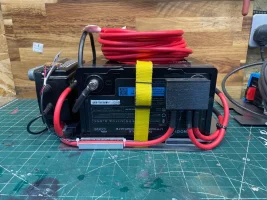
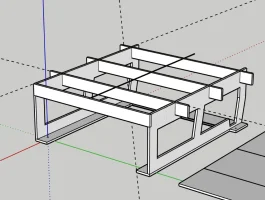
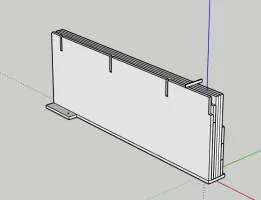
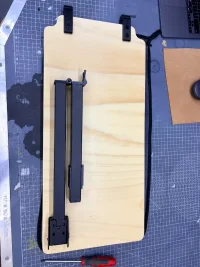
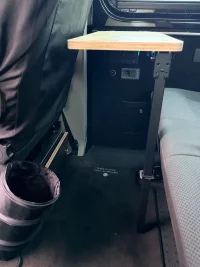
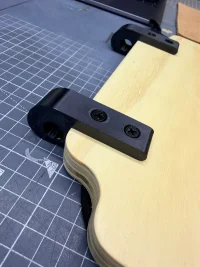
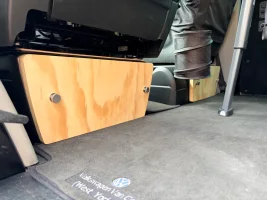
I was determined to keep this install "invisible." In a compact day van, that meant getting creative with the under-seat space. I fabricated custom brackets to fit the entire system—battery, charger, inverter, and consumer unit—under the front seats.
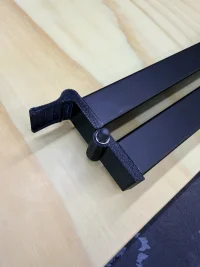
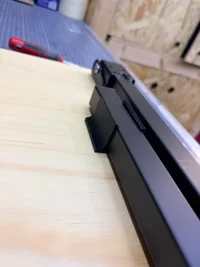
I can still pull the battery or operate the isolators without having to bolt/unbolt the seats. Here is the bracketry mounted via rivnuts into the existing factory holes.
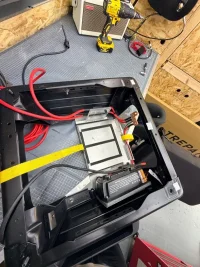
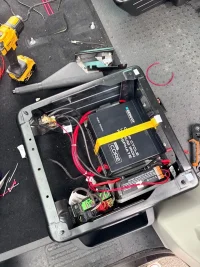
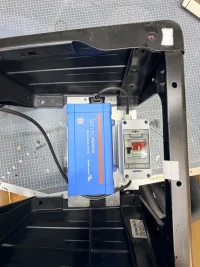
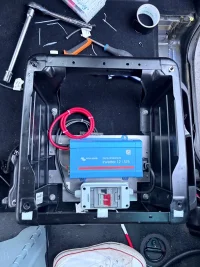
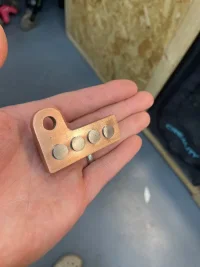
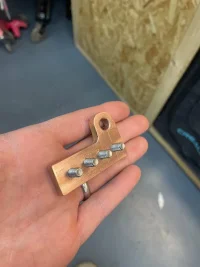
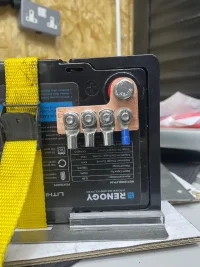
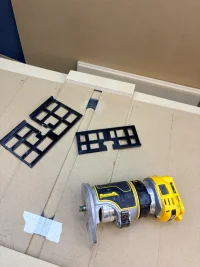
I also had to DIY a compact "multi-connector" (a busbar, I think?) out of some brass bar stock. Since exposed brass, curious children fingers and plenty of grounding don't mix, I 3D modelled and printed an insulated cover for it to keep the sparks & electric shocks at bay.
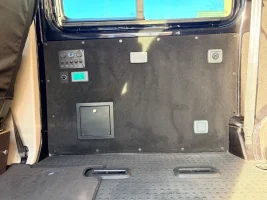
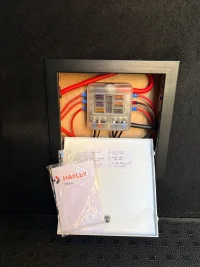
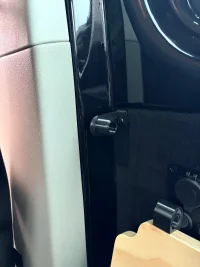
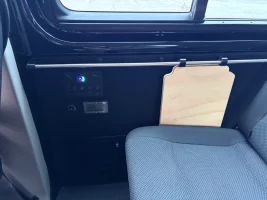
Then came the fun task of routing the wires. I used flexible conduit to snake everything from the seat bases, up the B-pillar (hidden behind the trim), and over to the "non-sliding door" panel. My fuse box and switch panel are tucked away there, so it works well as a hidden distribution hub for the whole setup.
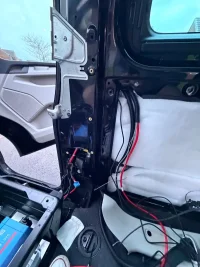
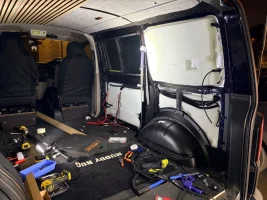
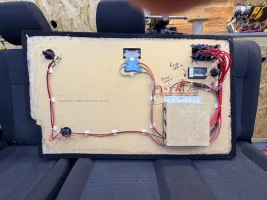
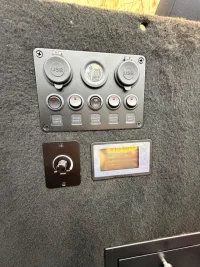
The "distribution hub" on the back of this panel got a bit out of hand as the "while-I'm-at-it" bug hit hard! Here’s what’s in there:
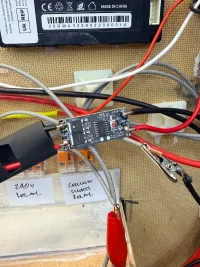
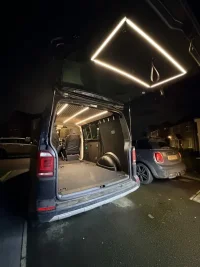
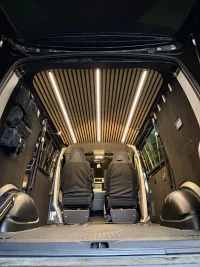
I’ve got the roof and tailgate LEDs wired to a relay so they trigger with the doors (OEM style) but run off the leisure battery. I added a parallel switch for manual "camping mode" and even a soft-start module because I couldn't stand the cab lights fading on while the rears just blasted on.
I also tackled the inverter remote on feature—used a relay there as the inverter is looking for a dry contact but needed 12V for the switch LED to glow when it's on.
For the rest, I’ve got a few USBs a 12V socket for the Slidepod, and a Renogy battery monitor.
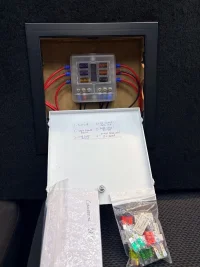
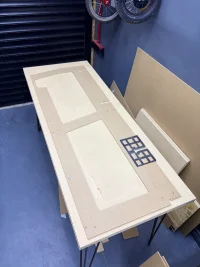
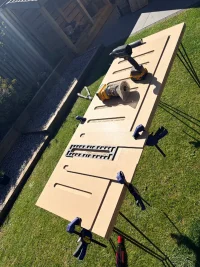
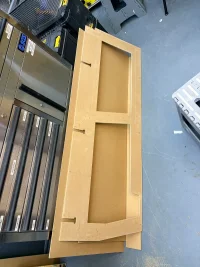
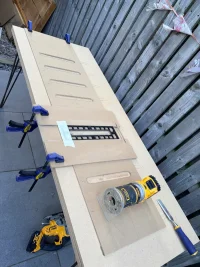
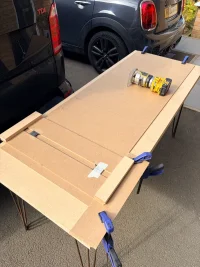
My favourite part is the "WAGO Marshalling Rail." It's basically a distribution block for the van; every outgoing cable plugs in there, so the whole panel comes out easily if I need to tweak (or more likely, fix) anything. The fuse box is tucked into its own inspection hatch which I boxed out with MDF.
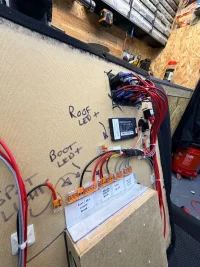
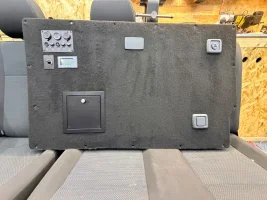
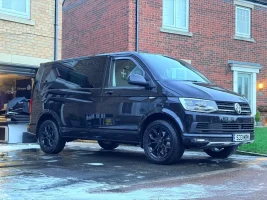
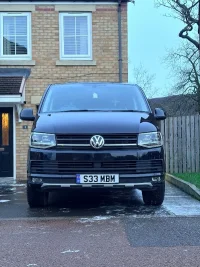
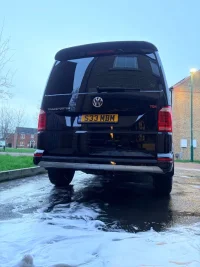
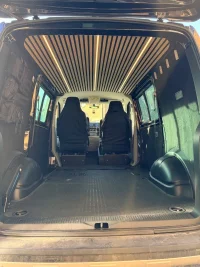
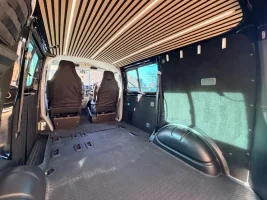
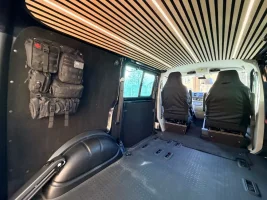
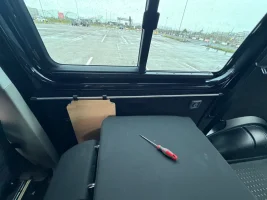
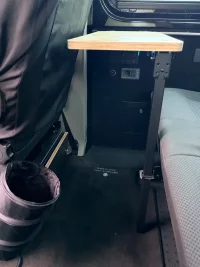
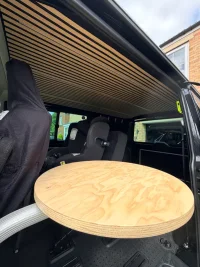
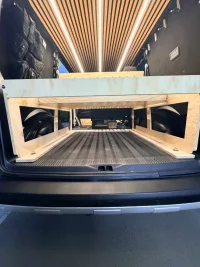
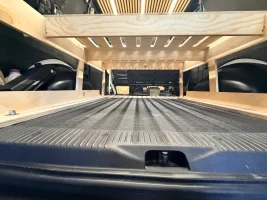
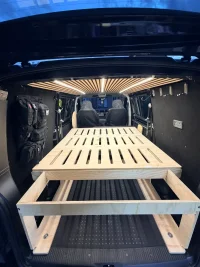
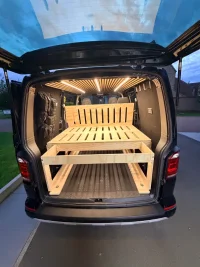
Still a bit of a work in progress—I’ve currently got the acoustic headlining in pieces—but I just thought I'd show the progress. Here is how it’s looking...
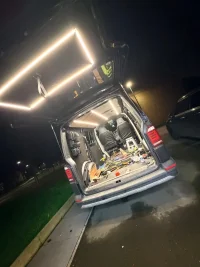
I'll stick some more photos in when I'm all finished.
Last edited:


 .
.




 .
.