I thought I would write a short article on how I installed the solar panel on my van. The main reason for writing this is I searched for ages to find similar articles without much luck. This install was inspired by one of the few articles I could find, Stealth Solar Installation – Wildebus Home
As I needed a larger panel, so I decided to make a stronger frame so the panel could be secured on all 4 sides. I’ll go through this stage-by-stage listing and linking all the parts I used. I will also try to explain why I did things the way I did.
The Solar Panel
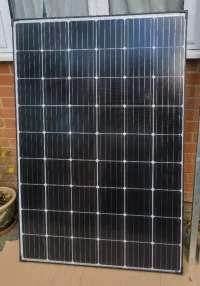
I wanted the panel to fit between the roof cross bars and also be flush with them. I didn’t want the panel bolted on top of them in case the glass cracked if the wind got underneath and flexed it. Being flush with the cross bars means it should be low enough to prevent this, even at motorway speeds. Only time will tell if this is even a problem or my design prevents it. I measured the gap between the cross bars and had around 1500mm for the panel. I searched for ages and all the panels above about 250w seemed to be long, 1600mm plus, and narrow. I eventually managed to find a 300w panel that was 1470x992mm, bonus was it had a black frame to match the van. There are probably other panels that would have fitted the gap, but I certainly couldn’t find one with anywhere near the output of this one. I didn’t go for a flexible panel is they are not as efficient and the fitment is much more permanent.
Craig Solar 300w Solar Panel Black Frame
Although I will confess I actually found a used one for less than £100.
The Frame
The article I has seen used alloy angle rails either end, which worked fine for his design. But I wanted a 4-sided frame as the panel was over 18kg. I was struggling to work out how to securely attach the angle rails together, so started looking for an alternative. After a bit more Googling (other search engines are available) I found some galvanised electrical channel. The advantage of this is that it is designed to be joined together and you can buy all the parts needed. As the channels were 3m long I bought them from a local electrical supplier, but you can pick these up in lots of different stores.
TLC Electrical Supplies
2 x UVDS1 41mm x 21mm 1.5mm Single Plain Channel (3mts)
8 x UVSS6 M6 Short Spring Channel Nut
4 x UVCF11 14mm 2 Hole Joint Plate 40mm x 84mm
4 x UVCF71B41mm x 21mm Stop End (Black)
8 x FXM625 M6 x 25mm Hex Set Screw (High Tensile Steel Bolt)
8 x FXM620 M6 x 20mm Hex Set Screw (High Tensile Steel Bolt)
16 x FXHX1 M6 Hex Nut
16 x FXFW1 M6 Flat Washer
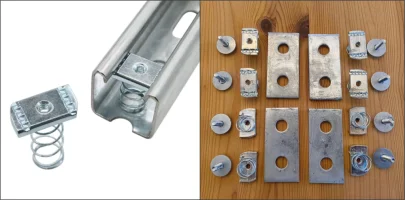
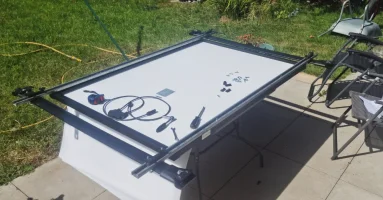
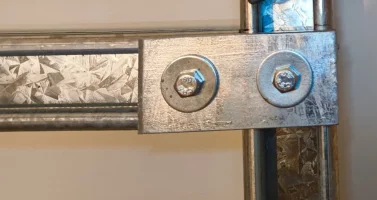
I cut the side channels so they extended beyond the cross bars so I could clamp them underneath. Once all the lengths were cut, I slide the spring channel nuts in and bolted it all together with the hole joint plates, 25mm M6 bolts and half the washers.
Clamping the Frame to the Cross Bars
I decided to use roofbox u-bolts to clamp the frame underneath the cross bars. The reason for this was that once the panel was bolted on top of the frame it would then be flush with the cross bars. After measuring the cross bars and trying a few different types I eventually found a heavy duty set that fitted. I went for the 8mm version as I wanted it as secure as possible. I could have drilled holes in the cross bars, but I thought it might weaken them. I could be wrong and this might be a cheaper option.
U-Bolt Clamp for Roof Rack Mounting Brackets Luggage Rack Roof Box
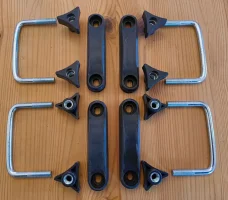
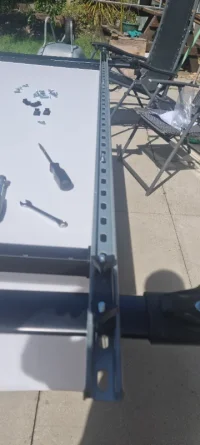
The only thing I had to do was chamfer the edges with an angle grinder so they slide into the channels. I then drilled the frame, 8 holes for the clamps and 8 holes to mount the solar panel (2 on each side). I also had to cut the threaded bar flush with the plastic knurled nuts due to clearance with the roof.
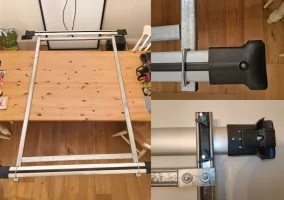
I then assembled the whole thing before taking apart and painting it. This was for 2 reasons. Firstly, was to stop any rust as I removed some of the galavanised coating when cutting and drilling. Secondly was again to match the black panel and van. I then reassembled everything and bolted the panel down with the 20mm bolts and remaining washers.
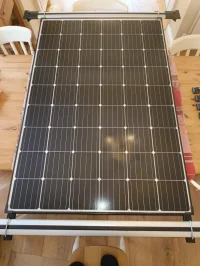
Fitting to the Van
This was a simple case of getting a friend, thank you David, to help lift it on the roof and bolting the cross bars to the roof bars. I connected up the wiring and tested it.
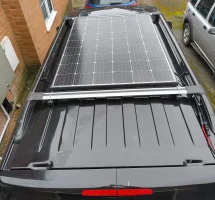
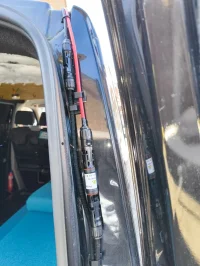
The final jobs were to fit the end stops in the channel with black silicone sealant (this could have been done earlier, I just forgot) and tidy up the cables. They run down inside the door and behind the rear light. I drilled to holes and used grommets and sealant. This is also where I fitted a MC4 inline fuse.
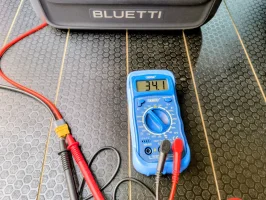
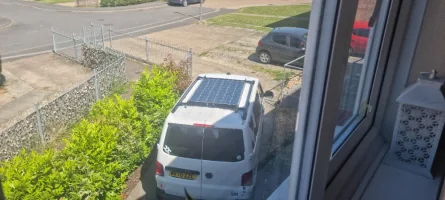
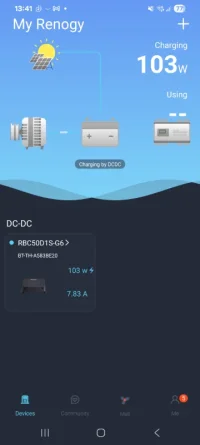
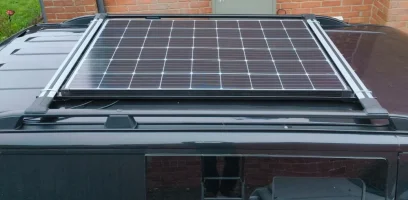
I’m pleased with the results; it fits flush with the cross bars and blends in with the van. It works well, doesn’t seem to be affected by the wind when driving and I was getting 144w on a partially sunny day in March.
Hopefully this has been useful.
As I needed a larger panel, so I decided to make a stronger frame so the panel could be secured on all 4 sides. I’ll go through this stage-by-stage listing and linking all the parts I used. I will also try to explain why I did things the way I did.
The Solar Panel
I wanted the panel to fit between the roof cross bars and also be flush with them. I didn’t want the panel bolted on top of them in case the glass cracked if the wind got underneath and flexed it. Being flush with the cross bars means it should be low enough to prevent this, even at motorway speeds. Only time will tell if this is even a problem or my design prevents it. I measured the gap between the cross bars and had around 1500mm for the panel. I searched for ages and all the panels above about 250w seemed to be long, 1600mm plus, and narrow. I eventually managed to find a 300w panel that was 1470x992mm, bonus was it had a black frame to match the van. There are probably other panels that would have fitted the gap, but I certainly couldn’t find one with anywhere near the output of this one. I didn’t go for a flexible panel is they are not as efficient and the fitment is much more permanent.
Craig Solar 300w Solar Panel Black Frame
Although I will confess I actually found a used one for less than £100.
The Frame
The article I has seen used alloy angle rails either end, which worked fine for his design. But I wanted a 4-sided frame as the panel was over 18kg. I was struggling to work out how to securely attach the angle rails together, so started looking for an alternative. After a bit more Googling (other search engines are available) I found some galvanised electrical channel. The advantage of this is that it is designed to be joined together and you can buy all the parts needed. As the channels were 3m long I bought them from a local electrical supplier, but you can pick these up in lots of different stores.
TLC Electrical Supplies
2 x UVDS1 41mm x 21mm 1.5mm Single Plain Channel (3mts)
8 x UVSS6 M6 Short Spring Channel Nut
4 x UVCF11 14mm 2 Hole Joint Plate 40mm x 84mm
4 x UVCF71B41mm x 21mm Stop End (Black)
8 x FXM625 M6 x 25mm Hex Set Screw (High Tensile Steel Bolt)
8 x FXM620 M6 x 20mm Hex Set Screw (High Tensile Steel Bolt)
16 x FXHX1 M6 Hex Nut
16 x FXFW1 M6 Flat Washer
I cut the side channels so they extended beyond the cross bars so I could clamp them underneath. Once all the lengths were cut, I slide the spring channel nuts in and bolted it all together with the hole joint plates, 25mm M6 bolts and half the washers.
Clamping the Frame to the Cross Bars
I decided to use roofbox u-bolts to clamp the frame underneath the cross bars. The reason for this was that once the panel was bolted on top of the frame it would then be flush with the cross bars. After measuring the cross bars and trying a few different types I eventually found a heavy duty set that fitted. I went for the 8mm version as I wanted it as secure as possible. I could have drilled holes in the cross bars, but I thought it might weaken them. I could be wrong and this might be a cheaper option.
U-Bolt Clamp for Roof Rack Mounting Brackets Luggage Rack Roof Box
The only thing I had to do was chamfer the edges with an angle grinder so they slide into the channels. I then drilled the frame, 8 holes for the clamps and 8 holes to mount the solar panel (2 on each side). I also had to cut the threaded bar flush with the plastic knurled nuts due to clearance with the roof.
I then assembled the whole thing before taking apart and painting it. This was for 2 reasons. Firstly, was to stop any rust as I removed some of the galavanised coating when cutting and drilling. Secondly was again to match the black panel and van. I then reassembled everything and bolted the panel down with the 20mm bolts and remaining washers.
Fitting to the Van
This was a simple case of getting a friend, thank you David, to help lift it on the roof and bolting the cross bars to the roof bars. I connected up the wiring and tested it.
The final jobs were to fit the end stops in the channel with black silicone sealant (this could have been done earlier, I just forgot) and tidy up the cables. They run down inside the door and behind the rear light. I drilled to holes and used grommets and sealant. This is also where I fitted a MC4 inline fuse.
I’m pleased with the results; it fits flush with the cross bars and blends in with the van. It works well, doesn’t seem to be affected by the wind when driving and I was getting 144w on a partially sunny day in March.
Hopefully this has been useful.
Last edited: