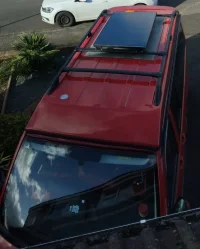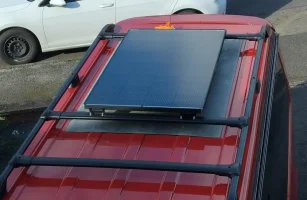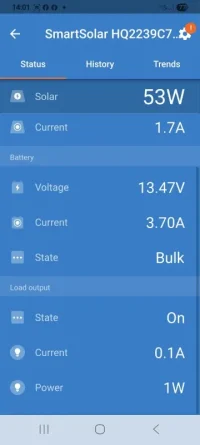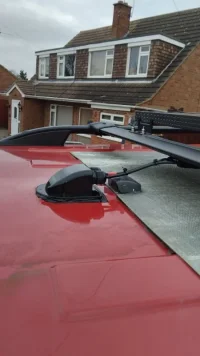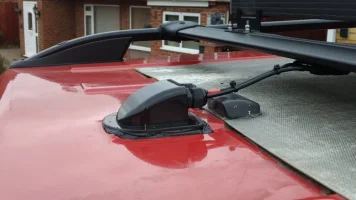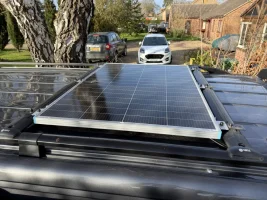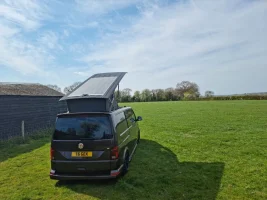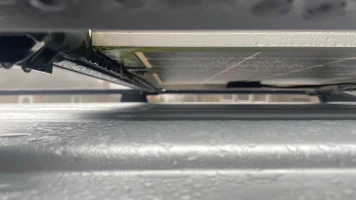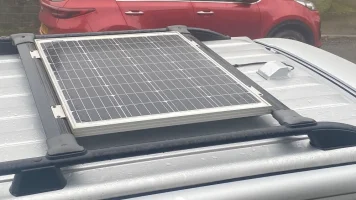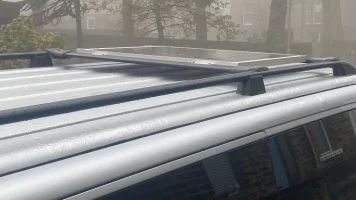
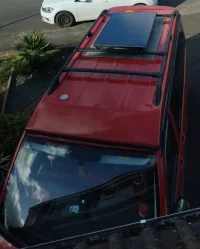
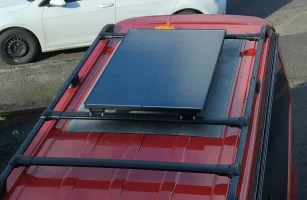
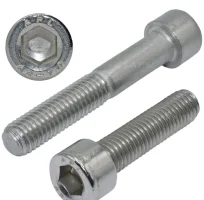
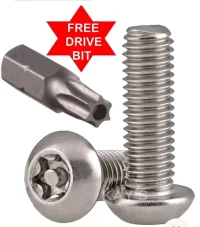
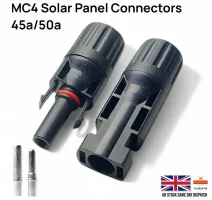
Back in Jan this year I posted a thread that my 2nd flexable solar panel in 4yrs had failed and that I was intending to replace it with a rigid solar panel. Each time a flex panel failed it had only just got out of warranty meaning the converter who fitted it had no responsibility. I have been waiting for the weather to dry up a bit before doing the job. First of all I bought a pair of roof rails with 3 cross bars. Now bearing in mind I have a pop top on our van it was neccessary to measure and mark up the positions for the drill holes to mount the roof rails on the pop top, while making sure the pisitioning(not too wide or narrow) would allow the cross bars to fit exactly. It was also neccessary to put some steel reinforcing plates on the underside of the bolt holes so as to spread some of the pressure on the underside of the fibreglass roof. To drill the holes the pop top needed to be in the deployed(up) position to ensure that the drill bit did not snag the canvas as it came through the underside of the roof. My reason for using roof bars was so I didn't have to drill through the pop top to mount brackets on the roof to hold the rigid panel where if in the future if this one failed a replacement panel may not be of the same dimentions requiring repositioning of brackets thus more drill holes in the roof. The roof rails allows adjustment to accept a different size of panel. The roof bars also provide plenty of air flow under the solar panel on hot sunny days when parked up(unlike the bonded) After fitting the roof rails, I fitted the cross bars to the rigid solar panel. This assembly was then lifted and fitted job lot to the roof rails and positioned as far back on the roof so as to have a minimum effect on the weight when lifting the pop top at the front. I had seen stories in the media of rigid solar panels being stolen from the top of campervans and MH's. To that end I replaced the m6 cap head allen bolts that came with the roof bar set with m6 security bolts. These bolts come with a specific 'bit' to fit the security bolts to tighten them down. I run the cables into a watertight black box fixed in place at the back of the roof with Tiger Seal and joined the cables with MC4 connectors fed into the interior roof space of the pop top. I hope to achieve better reliability and longevity from this rigid solar panel than the 2 flex panels that have failed. I appreciate and accept that mounting the solar panel this way has slightly increased the max height of the van, it has also altered the aerodynamic profile of the van, but if I had my time again I would stay away from flex bonded solar panels and do what I have done this time from the word go. I have the option in the future of adding a second solar panel to the roof bars with very little adjustment and hassle. I hope this post helps someone along the way when considering solar panel options when converting their van.
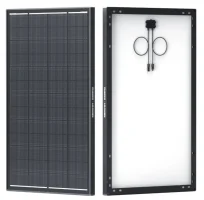
The solar panel is a 200kw Renogy Shadowflux.
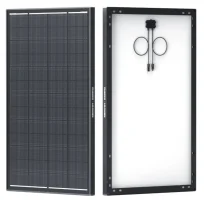
The solar panel is a 200kw Renogy Shadowflux.