Solar Panel

Creamytash

Senior Member
T6 Guru
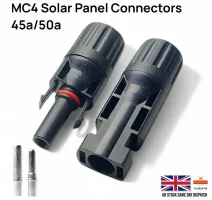
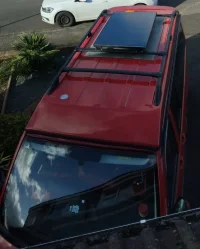
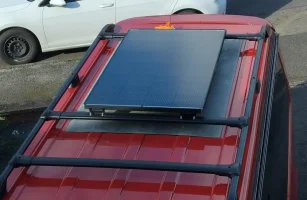
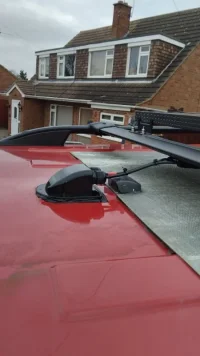
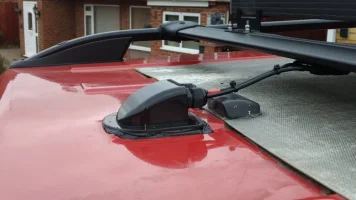
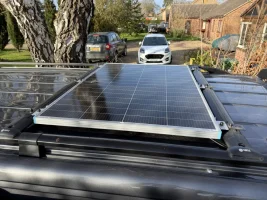
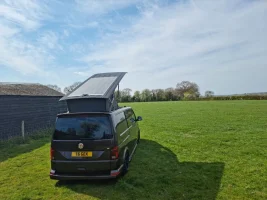
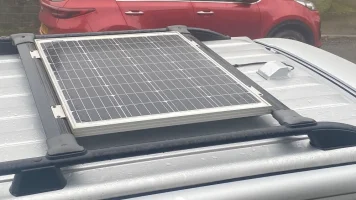
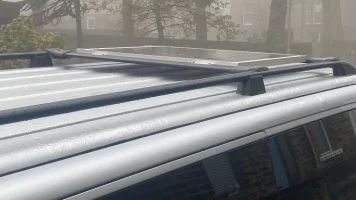
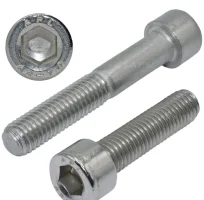
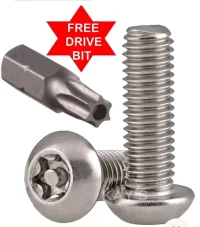
Back in Jan this year I posted a thread that my 2nd flexable solar panel in 4yrs had failed and that I was intending to replace it with a rigid solar panel. Each time a flex panel failed it had only just got out of warranty meaning the converter who fitted it had no responsibility. I have been waiting for the weather to dry up a bit before doing the job. First of all I bought a pair of roof rails with 3 cross bars. Now bearing in mind I have a pop top on our van it was neccessary to measure and mark up the positions for the drill holes to mount the roof rails on the pop top, while making sure the pisitioning(not too wide or narrow) would allow the cross bars to fit exactly. It was also neccessary to put some steel reinforcing plates on the underside of the bolt holes so as to spread some of the pressure on the underside of the fibreglass roof. To drill the holes the pop top needed to be in the deployed(up) position to ensure that the drill bit did not snag the canvas as it came through the underside of the roof. My reason for using roof bars was so I didn't have to drill through the pop top to mount brackets on the roof to hold the rigid panel where if in the future if this one failed a replacement panel may not be of the same dimentions requiring repositioning of brackets thus more drill holes in the roof. The roof rails allows adjustment to accept a different size of panel. The roof bars also provide plenty of air flow under the solar panel on hot sunny days when parked up(unlike the bonded) After fitting the roof rails, I fitted the cross bars to the rigid solar panel. This assembly was then lifted and fitted job lot to the roof rails and positioned as far back on the roof so as to have a minimum effect on the weight when lifting the pop top at the front. I had seen stories in the media of rigid solar panels being stolen from the top of campervans and MH's. To that end I replaced the m6 cap head allen bolts that came with the roof bar set with m6 security bolts. These bolts come with a specific 'bit' to fit the security bolts to tighten them down. I run the cables into a watertight black box fixed in place at the back of the roof with Tiger Seal and joined the cables with MC4 connectors fed into the interior roof space of the pop top. I hope to achieve better reliability and longevity from this rigid solar panel than the 2 flex panels that have failed. I appreciate and accept that mounting the solar panel this way has slightly increased the max height of the van, it has also altered the aerodynamic profile of the van, but if I had my time again I would stay away from flex bonded solar panels and do what I have done this time from the word go. I have the option in the future of adding a second solar panel to the roof bars with very little adjustment and hassle. I hope this post helps someone along the way when considering solar panel options when converting their van.
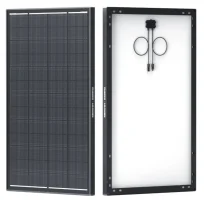
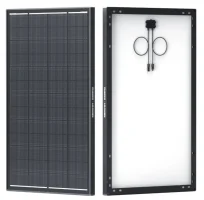
The solar panel is a 200kw Renogy Shadowflux.
IMG_20260222_125147.webp

IMG_20260222_125139.webp

Screenshot_20260223_095848_eBay.webp

Screenshot_20260223_095650_eBay.webp

Screenshot_20260224_124837_eBay.webp

Screenshot_20260224_124655_eBay.webp
 
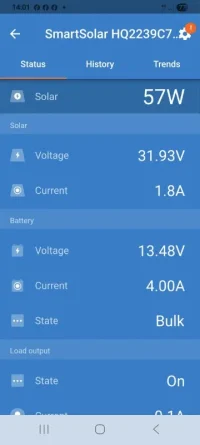
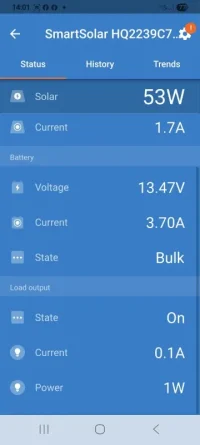
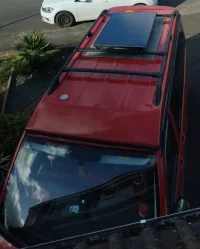
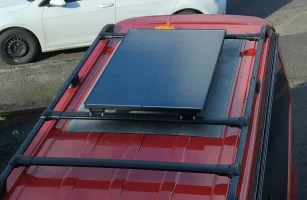
Since my last I have joined the cables, passed them through a black watertight box and fed them down through the roof. The black watertight box was then bonded down with Tiger Seal. It's fully bonded and sealed against water ingress. The solar panel is banging out the charge even on the dullest of days. I truly wish I had gone this route from day one and stayed well away from the flexable bonded type solar panel.

IMG_20260222_125147.jpg

IMG_20260222_125139.jpg

Screenshot_20260224_124837_eBay.jpg

Screenshot_20260303_140128.jpg

Screenshot_20260303_140142.jpg

IMG_20260303_152414.jpg

IMG_20260303_152437.jpg
 
Just watch those 2m barriers! Looks like your Smart solar wants an update..? But you're right, they are so much better than the flexi panels if we don't mind the 'look'!
 
Yes mate, the added bit of height was a neccessary compromise and yes again it prob won't go under a 2mt barrier now, but on the + side, bags of cooling airflow under the panel when parked up and the suns out. I have been on a drive with it and haven't noticed any real difference in wind noise. Fitting roof rails on a fibreglass pop top roof is a whole different ball game to fitting them on a steel(non pop top)roof. I did this work outside on my driveway so had to do it dry days of which there hasn't been been many.
Thank you for your advice following my initial post ref 'Solar Panel Fail' - I haven't forgotten mate, thank you.
CT.
 
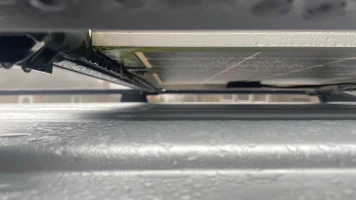
You could spin those brackets over , that would bring the panel down more in line with the top of the roof bars rather than sitting above them 🤔
Might make it more barrier friendly and aesthetically more sleak.
 
  • Like
Reactions: JOG
Yes mate, the added bit of height was a neccessary compromise and yes again it prob won't go under a 2mt barrier now, but on the + side, bags of cooling airflow under the panel when parked up and the suns out. I have been on a drive with it and haven't noticed any real difference in wind noise. Fitting roof rails on a fibreglass pop top roof is a whole different ball game to fitting them on a steel(non pop top)roof. I did this work outside on my driveway so had to do it dry days of which there hasn't been been many.
Thank you for your advice following my initial post ref 'Solar Panel Fail' - I haven't forgotten mate, thank you.
CT.

This is exactly 2.0m (5mm lower) and includes slightly larger tyres lifting it 1cm.

IMG_0572.webp
 
Back in Jan this year I posted a thread that my 2nd flexable solar panel in 4yrs had failed and that I was intending to replace it with a rigid solar panel. Each time a flex panel failed it had only just got out of warranty meaning the converter who fitted it had no responsibility. I have been waiting for the weather to dry up a bit before doing the job. First of all I bought a pair of roof rails with 3 cross bars. Now bearing in mind I have a pop top on our van it was neccessary to measure and mark up the positions for the drill holes to mount the roof rails on the pop top, while making sure the pisitioning(not too wide or narrow) would allow the cross bars to fit exactly. It was also neccessary to put some steel reinforcing plates on the underside of the bolt holes so as to spread some of the pressure on the underside of the fibreglass roof. To drill the holes the pop top needed to be in the deployed(up) position to ensure that the drill bit did not snag the canvas as it came through the underside of the roof. My reason for using roof bars was so I didn't have to drill through the pop top to mount brackets on the roof to hold the rigid panel where if in the future if this one failed a replacement panel may not be of the same dimentions requiring repositioning of brackets thus more drill holes in the roof. The roof rails allows adjustment to accept a different size of panel. The roof bars also provide plenty of air flow under the solar panel on hot sunny days when parked up(unlike the bonded) After fitting the roof rails, I fitted the cross bars to the rigid solar panel. This assembly was then lifted and fitted job lot to the roof rails and positioned as far back on the roof so as to have a minimum effect on the weight when lifting the pop top at the front. I had seen stories in the media of rigid solar panels being stolen from the top of campervans and MH's. To that end I replaced the m6 cap head allen bolts that came with the roof bar set with m6 security bolts. These bolts come with a specific 'bit' to fit the security bolts to tighten them down. I run the cables into a watertight black box fixed in place at the back of the roof with Tiger Seal and joined the cables with MC4 connectors fed into the interior roof space of the pop top. I hope to achieve better reliability and longevity from this rigid solar panel than the 2 flex panels that have failed. I appreciate and accept that mounting the solar panel this way has slightly increased the max height of the van, it has also altered the aerodynamic profile of the van, but if I had my time again I would stay away from flex bonded solar panels and do what I have done this time from the word go. I have the option in the future of adding a second solar panel to the roof bars with very little adjustment and hassle. I hope this post helps someone along the way when considering solar panel options when converting their van.
The solar panel is a 200kw Renogy Shadowflux.
I have to say that the quality of the flexible solar panel makes a huge difference in longevity, and unfortunately either the research hasn't been done, or the convertor is just fobbing you off with cheap Chinese stuff.

The converter I used only gets there panels from Photonic Universe, yes they are more expensive, but there failure rate and returns is less then 1% even after 5+ years of them being fitted, mine is now coming up to 9 years and is still outputting the same as when it was new. but it was nearly £1000 when i brought it.20210424_151029.webp
 
You could spin those brackets over , that would bring the panel down more in line with the top of the roof bars rather than sitting above them 🤔
Might make it more barrier friendly and aesthetically more sleak.
Do you think I didn't try that. Have you actually tried fitting those brackets upside down on those cross bars.
 
I have to say that the quality of the flexible solar panel makes a huge difference in longevity, and unfortunately either the research hasn't been done, or the convertor is just fobbing you off with cheap Chinese stuff.

The converter I used only gets there panels from Photonic Universe, yes they are more expensive, but there failure rate and returns is less then 1% even after 5+ years of them being fitted, mine is now coming up to 9 years and is still outputting the same as when it was new. but it was nearly £1000 when i brought it.View attachment 318499
Yes I think your are right, the converter I used has done this across me twice. Wouldn't tell me the manufacturer of the panels he is fitting but they were nowhere near £1000. I think your converter is very honourable with the welfare of his customer in my and an attitude of 'make your first expense your last. I had 2 flexi panels in 4 years each one only just made it over the line out of warranty. Each time this happened the converter said "we have changed supplier - we don't use them any more".
 
  • Like
Reactions: CAB
Yes I think your are right, the converter I used has done this across me twice. Wouldn't tell me the manufacturer of the panels he is fitting but they were nowhere near £1000. I think your converter is very honourable with the welfare of his customer in my and an attitude of 'make your first expense your last. I had 2 flexi panels in 4 years each one only just made it over the line out of warranty. Each time this happened the converter said "we have changed supplier - we don't use them any more".
Warranty says a lot, Photonic Universe offers one of the best.

"The product comes with a 5 year workmanship warranty which covers material and production defects. In addition, the solar cells are guaranteed to produce at least 90% of nominal power in 10 years after purchase and at least 80% of nominal power in 25 years after purchase. This warranty is provided by the manufacturer of the solar cells."

ill end up getting another one of there's when the time comes as its been fantastic.
 
  • Like
Reactions: CAB
As above. Flip the brackets and then mount them into the groove on the cross bar using tech screws and the panel will be virtually flush with no nuts and bolts sticking up either.IMG_9766.jpegIMG_9767.jpegIMG_9768.jpeg
Also for future reference the cross bars are a uniform cross-section aluminium extrusion so you can pop the plastic ends off, cut to length and then refit the ends.
 
Last edited:
I have to say that the quality of the flexible solar panel makes a huge difference in longevity, and unfortunately either the research hasn't been done, or the convertor is just fobbing you off with cheap Chinese stuff.

The converter I used only gets there panels from Photonic Universe, yes they are more expensive, but there failure rate and returns is less then 1% even after 5+ years of them being fitted, mine is now coming up to 9 years and is still outputting the same as when it was new. but it was nearly £1000 when i brought it.View attachment 318499
That's a nice sized panel @Martin Stockwell , what is it rated at?
Both of my failed panels were PU, and they replaced them both under warranty, £500 ish if I remember correctly. They were 'poxy' 180 watt panels, the second died a horrible death from delamination, and once delaminated it lasted a couple of months more before the dreaded 0.01 volts output. PU had a batch of those faulty ones, of which I was lucky enough to receive one! The second replacement I sold on, I couldn't be doing with another short term panel with the associated faff of removing it again when it died.
My issue may well have been it was bonded on to my slightly curved flat poptop with no ridges to give some heat respite. Yes the flexi looked better, but the performance and hopefully longevity on my baby Victron 270 watt rigid will stand the tests of time, very happy with its performance after nearly 12 months.
 
That's a nice sized panel @Martin Stockwell , what is it rated at?
Both of my failed panels were PU, and they replaced them both under warranty, £500 ish if I remember correctly. They were 'poxy' 180 watt panels, the second died a horrible death from delamination, and once delaminated it lasted a couple of months more before the dreaded 0.01 volts output. PU had a batch of those faulty ones, of which I was lucky enough to receive one! The second replacement I sold on, I couldn't be doing with another short term panel with the associated faff of removing it again when it died.
My issue may well have been it was bonded on to my slightly curved flat poptop with no ridges to give some heat respite. Yes the flexi looked better, but the performance and hopefully longevity on my baby Victron 270 watt rigid will stand the tests of time, very happy with its performance after nearly 12 months.
This one is a Renogy Shadowflux 200kw rigid. The spec is worth a read on their site.
 
As above. Flip the brackets and then mount them into the groove on the cross bar using tech screws and the panel will be virtually flush with no nuts and bolts sticking up either.View attachment 318503View attachment 318504View attachment 318505
Also for future reference the cross bars are a uniform cross-section aluminium extrusion so you can pop the plastic ends off, cut to length and then refit the ends.
I tried that to start with but my brackets must be narrower than the ones you have used. Mine are not broad enough to do what you have done. I might look at changing them in time and attempting to lowe the profile. Right now I am happy to have a working functioning solar panel back on the van. Am sebding you a DM mate.
 
I have to say that the quality of the flexible solar panel makes a huge difference in longevity, and unfortunately either the research hasn't been done, or the convertor is just fobbing you off with cheap Chinese stuff.

The converter I used only gets there panels from Photonic Universe, yes they are more expensive, but there failure rate and returns is less then 1% even after 5+ years of them being fitted, mine is now coming up to 9 years and is still outputting the same as when it was new. but it was nearly £1000 when i brought it.View attachment 318499

That's one of the "Austrian made" Photonics Universe ones is it? I have almost exactly the same (although mine is rear junction box), also about nine years old now.
 
That's a nice sized panel @Martin Stockwell , what is it rated at?
Both of my failed panels were PU, and they replaced them both under warranty, £500 ish if I remember correctly. They were 'poxy' 180 watt panels, the second died a horrible death from delamination, and once delaminated it lasted a couple of months more before the dreaded 0.01 volts output. PU had a batch of those faulty ones, of which I was lucky enough to receive one! The second replacement I sold on, I couldn't be doing with another short term panel with the associated faff of removing it again when it died.
My issue may well have been it was bonded on to my slightly curved flat poptop with no ridges to give some heat respite. Yes the flexi looked better, but the performance and hopefully longevity on my baby Victron 270 watt rigid will stand the tests of time, very happy with its performance after nearly 12 months.
Its rated at 330w. This is the link for the newer version with a underside rear junction box which looks even slicker.
 
Back in Jan this year I posted a thread that my 2nd flexable solar panel in 4yrs had failed and that I was intending to replace it with a rigid solar panel. Each time a flex panel failed it had only just got out of warranty meaning the converter who fitted it had no responsibility. I have been waiting for the weather to dry up a bit before doing the job. First of all I bought a pair of roof rails with 3 cross bars. Now bearing in mind I have a pop top on our van it was neccessary to measure and mark up the positions for the drill holes to mount the roof rails on the pop top, while making sure the pisitioning(not too wide or narrow) would allow the cross bars to fit exactly. It was also neccessary to put some steel reinforcing plates on the underside of the bolt holes so as to spread some of the pressure on the underside of the fibreglass roof. To drill the holes the pop top needed to be in the deployed(up) position to ensure that the drill bit did not snag the canvas as it came through the underside of the roof. My reason for using roof bars was so I didn't have to drill through the pop top to mount brackets on the roof to hold the rigid panel where if in the future if this one failed a replacement panel may not be of the same dimentions requiring repositioning of brackets thus more drill holes in the roof. The roof rails allows adjustment to accept a different size of panel. The roof bars also provide plenty of air flow under the solar panel on hot sunny days when parked up(unlike the bonded) After fitting the roof rails, I fitted the cross bars to the rigid solar panel. This assembly was then lifted and fitted job lot to the roof rails and positioned as far back on the roof so as to have a minimum effect on the weight when lifting the pop top at the front. I had seen stories in the media of rigid solar panels being stolen from the top of campervans and MH's. To that end I replaced the m6 cap head allen bolts that came with the roof bar set with m6 security bolts. These bolts come with a specific 'bit' to fit the security bolts to tighten them down. I run the cables into a watertight black box fixed in place at the back of the roof with Tiger Seal and joined the cables with MC4 connectors fed into the interior roof space of the pop top. I hope to achieve better reliability and longevity from this rigid solar panel than the 2 flex panels that have failed. I appreciate and accept that mounting the solar panel this way has slightly increased the max height of the van, it has also altered the aerodynamic profile of the van, but if I had my time again I would stay away from flex bonded solar panels and do what I have done this time from the word go. I have the option in the future of adding a second solar panel to the roof bars with very little adjustment and hassle. I hope this post helps someone along the way when considering solar panel options when converting their van.
The solar panel is a 200kw Renogy Shadowflux.
View attachment 317688

View attachment 317689

View attachment 317690

View attachment 317691

View attachment 317692

View attachment 317693

This is great. I'm in the same boat as you, but without the poptop. I was looking at 2x of those panels as they're currently on offer, but will need to measure up first and check that they would fit. Turning them width ways looks like it might, going from your photo, but it'll need checking.
 
Back
Top