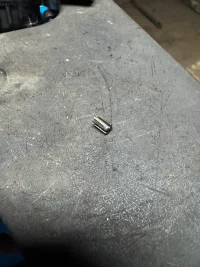
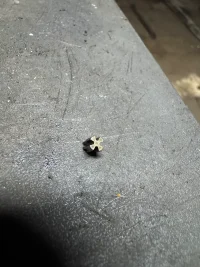
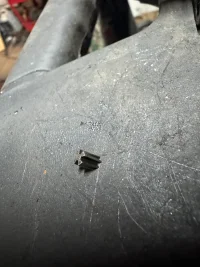
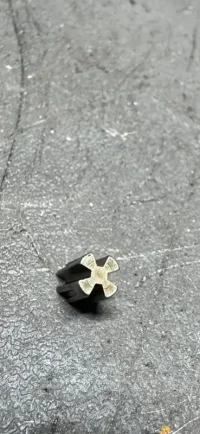
Google lens says
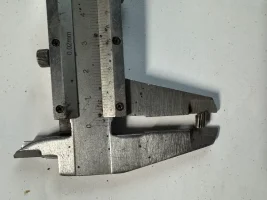
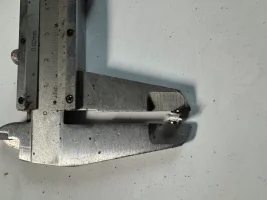
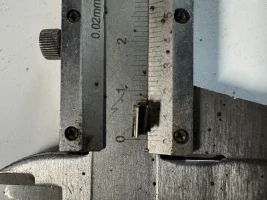
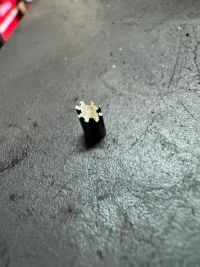
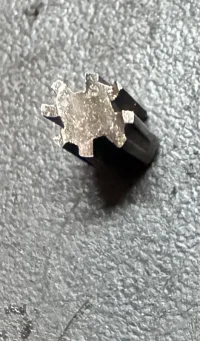
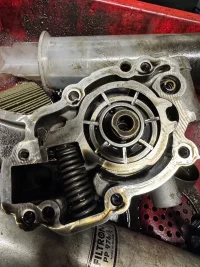
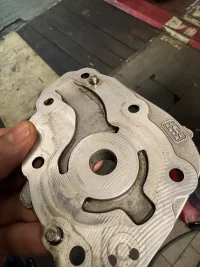
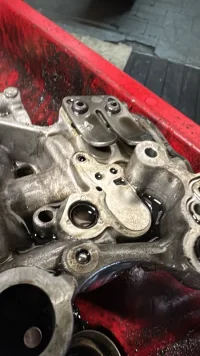
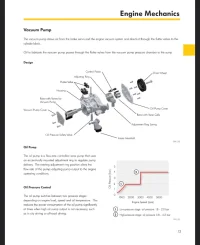
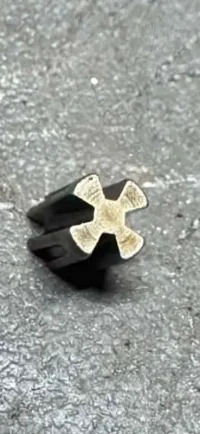
The metal component shown in your image appears to be a broken section of a machining reamer or a gear drive.Given the context that this was found in the oil pan of a 2017 2.0 TDI CXHA 150 HP engine, it has been identified in automotive communities as a piece of an oil pump gear or balancer drive shaft component. Finding this part in your oil pan is a serious issue, as it likely indicates mechanical failure within the oil pump or balancer shaft assembly.Potential IdentificationsOil Pump Gear / Driver: Many oil pump assemblies use small driven gears or "drivers" that share this star-shaped profile to pump oil or sync with other engine shafts.Machining Reamer Tip: The profile also strongly resembles a high-speed steel (HSS) chucking or hand reamer, which is a tool used for precision hole finishing. If it is this, it may have been left behind during a previous repair or manufacturing process.Pinion Gear: Small pinion gears for various actuators or sensors also use this 8-flute/tooth design.Immediate Next StepsCheck for Oil Pressure: If this came from your oil pump, you are at high risk of engine failure due to lack of lubrication.Inspect the Oil Pump: Have a mechanic specifically inspect the oil pump and balancer shaft assembly for broken or missing teeth.Do Not Drive: Avoid running the engine until the source is confirmed, as additional fragments could cause catastrophic internal damage.
Metalowy element widoczny na zdjęciu wydaje się być uszkodzoną częścią rozwiertaka lub przekładni zębatej. Biorąc pod uwagę fakt, że został on znaleziony w misce olejowej silnika 2.0 TDI CXHA z 2017 roku o mocy 150 KM, w środowisku motoryzacyjnym został zidentyfikowany jako element koła zębatego pompy oleju lub wałka napędowego wyrównoważacza. Znalezienie tej części w misce olejowej stanowi poważny problem, ponieważ prawdopodobnie wskazuje na awarię mechaniczną zespołu pompy oleju lub wałka wyrównoważacza. Możliwe identyfikacje: Koło zębate/napęd pompy oleju: Wiele zespołów pomp oleju wykorzystuje małe koła zębate napędzane lub „napędy” o tym samym gwiaździstym profilu do pompowania oleju lub synchronizacji z innymi wałami silnika. Wskazówka dotycząca rozwiertaka: Profil bardzo przypomina również rozwiertak uchwytowy lub ręczny ze stali szybkotnącej (HSS), który jest narzędziem używanym do precyzyjnego wykańczania otworów. Jeśli tak jest, mogło to oznaczać, że pozostało w trakcie poprzedniej naprawy lub procesu produkcyjnego.Zębatka: Małe zębatki do różnych siłowników lub czujników również wykorzystują tę konstrukcję z 8 rowkami/zębami.Następne kroki:Sprawdź ciśnienie oleju: Jeśli źródłem jest pompa oleju, istnieje duże ryzyko awarii silnika z powodu braku smarowania.Sprawdź pompę oleju:Zleć mechanikowi sprawdzenie pompy oleju i zespołu wałka wyrównoważającego pod kątem uszkodzonych lub brakujących zębów.Nie jeździj:Nie uruchamiaj silnika, dopóki nie zostanie potwierdzone źródło problemu, ponieważ dodatkowe fragmenty mogą spowodować poważne uszkodzenia wewnętrzne.