Evening all,
For a while now, I've been comparing the offerings from the likes of Bluetti/Ecoflow etc. While it's difficult to argue against the lower capacity offerings, as soon as you go over the 1000 watt/hr threshold, the prices seem to ramp up quite considerably to the point where (in my opinion) the DIY option starts to look more attractive. Certainly if just looking at higher capacity batteries to use.
A few years ago, I added a small lighting upgrade (reading lights in the back and a halo roof LED strip) which are starter battery powered but relay isolated when the engine was off.
My plan was to eventually add a leisure battery and connect all of this to it. Life and work got in the way so 5 years later I am finally looking at leisure battery options.
Rather than going all in, I thought I would create my own solar generator set up with the option of permanent installation once proven, or potentially keeping the generator seperated if it proves useful as a mobile power supply.
As always, @Dellmassive has been there and done it, so his build thread proved very useful, thank you Dellmassive.
My initial usage plans were just powering a decent sized fridge freezer and couple of USB outlets to keep phones and laptops topped up as required. Within that plan is the option to upgrade as required and potentially include an inverter. This could be useful for our portable induction hob and other camping extravagance but it's not a priority at the moment.
Various examples online suggest that 100 AH will power a mid sized fridge for two or three days but I didn't want the worry, especially with unknown USB usage. In the end I went with;
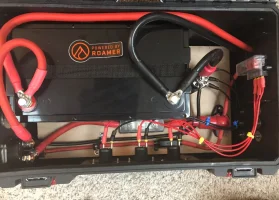
- Renogy 200AH Mini LiFePo4 (2560 W/Hr)
- Renogy 220 watt solar suitcase
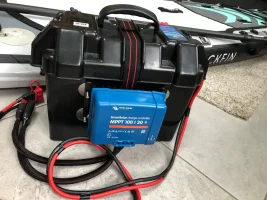
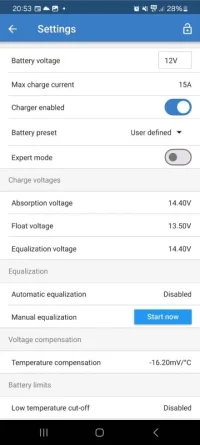
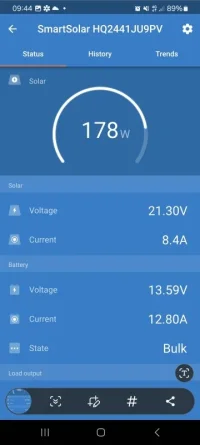
- Victron 75/15 MPPT
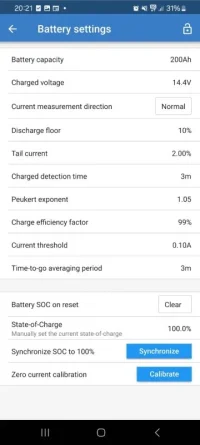
- Victron 300Amp smart shunt
- Assorted cables and connectors
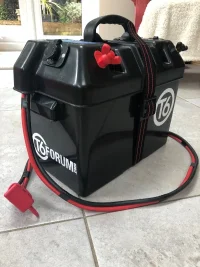
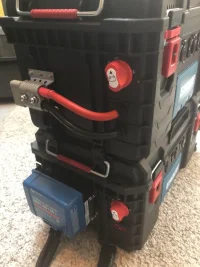
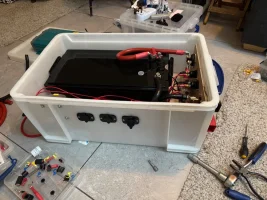
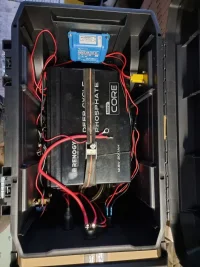
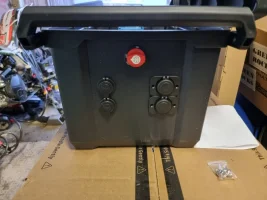
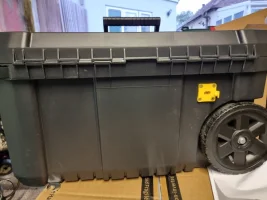
The plan is to contain everything in the Stanley wheeled tool box. It's a good fit for the longer battery on it's side with about 5 inches free at one end for the MPPT etc.
Not having a fridge, I spent a while reading various reviews and initially ordered an Alpicool unit. As per other threads regarding the company, their stock numbers didn't seem to reflect availability in the UK. "7 in stock" with no mention of a location proved to mean a 6 week delivery time. No good for me so I cancelled. Annoyingly, after receiving no updates I had to speak to several people to eventually get this information...
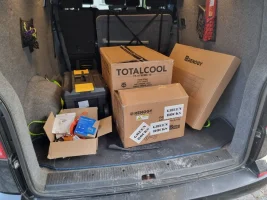
Anyway, I settled on a Totalcool unit. Suspiciously similar in design, at least they appear to have a UK base with UK stock.
The 50l was tempting ( go big or go home?..) but the power consumption seemed a big jump from the 40.
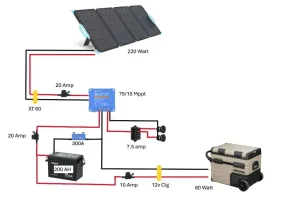
Rough circuit diagram here, fuse and cable size TBC. I have also added an isolator switch on the battery positive feed.
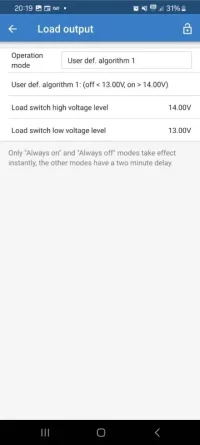
I'll set the MPPT load output to cut off the USB earlier than the fridge which I can hopefully maintain until a lower voltage using it's own low voltage cut out setting.
Any comments and observations welcome, it's my first time
For a while now, I've been comparing the offerings from the likes of Bluetti/Ecoflow etc. While it's difficult to argue against the lower capacity offerings, as soon as you go over the 1000 watt/hr threshold, the prices seem to ramp up quite considerably to the point where (in my opinion) the DIY option starts to look more attractive. Certainly if just looking at higher capacity batteries to use.
A few years ago, I added a small lighting upgrade (reading lights in the back and a halo roof LED strip) which are starter battery powered but relay isolated when the engine was off.
My plan was to eventually add a leisure battery and connect all of this to it. Life and work got in the way so 5 years later I am finally looking at leisure battery options.
Rather than going all in, I thought I would create my own solar generator set up with the option of permanent installation once proven, or potentially keeping the generator seperated if it proves useful as a mobile power supply.
As always, @Dellmassive has been there and done it, so his build thread proved very useful, thank you Dellmassive.
My initial usage plans were just powering a decent sized fridge freezer and couple of USB outlets to keep phones and laptops topped up as required. Within that plan is the option to upgrade as required and potentially include an inverter. This could be useful for our portable induction hob and other camping extravagance but it's not a priority at the moment.
Various examples online suggest that 100 AH will power a mid sized fridge for two or three days but I didn't want the worry, especially with unknown USB usage. In the end I went with;
- Renogy 200AH Mini LiFePo4 (2560 W/Hr)
- Renogy 220 watt solar suitcase
- Victron 75/15 MPPT
- Victron 300Amp smart shunt
- Assorted cables and connectors
The plan is to contain everything in the Stanley wheeled tool box. It's a good fit for the longer battery on it's side with about 5 inches free at one end for the MPPT etc.
Not having a fridge, I spent a while reading various reviews and initially ordered an Alpicool unit. As per other threads regarding the company, their stock numbers didn't seem to reflect availability in the UK. "7 in stock" with no mention of a location proved to mean a 6 week delivery time. No good for me so I cancelled. Annoyingly, after receiving no updates I had to speak to several people to eventually get this information...
Anyway, I settled on a Totalcool unit. Suspiciously similar in design, at least they appear to have a UK base with UK stock.
The 50l was tempting ( go big or go home?..) but the power consumption seemed a big jump from the 40.
Rough circuit diagram here, fuse and cable size TBC. I have also added an isolator switch on the battery positive feed.
I'll set the MPPT load output to cut off the USB earlier than the fridge which I can hopefully maintain until a lower voltage using it's own low voltage cut out setting.
Any comments and observations welcome, it's my first time
Last edited: