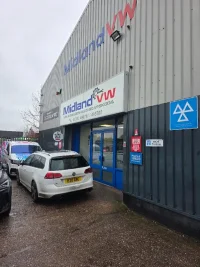
The garage thought that the EGR has been on its way out for a while, was getting coked up and its malfunction had stopped the DPF from regenerating. It doesn’t sound entirely plausible, but the result is what it is.
I don't disagree with this suggestion and it's one of the reasons why I haven't mapped my EGR out. I believe that the EGR has some role in the DPF function, whether it is temperature related for regeneration or not, I'm not an expert.
My 2016 140 CAAC 140 engined factory Kombi has been as I would expect.
Failed tailgate switch (water ingress), blocked EGR, broken spring, knackered front shock, a battery at nearly 10 years old and it seems to go through washer jets.
I bought it almost 3 years ago with 51,000 on it, from a reputable performance tuner (I didn't know that was his business at the time, but it had been his daily and had clearly been well maintained). It's now at 78,000 and is my daily, although as the weather gets better I will probably use either my Corrado or RS Clio a day a week.
Like most I guess, I am a big advocate of proper maintenance and I have also been using a fuel additive in every fill in the hope that it will keep the injectors and EGR clean.
I monitor the DPF with an app (which I originally started using on my EU6 Audi A6, which never seemed to be right) and try and always use decent fuel. One of the sliding door locks is a bit temperamental according to the weather and the drivetrain has a slight judder pulling through 2-3k rpm. The van has been mapped, probably since it was 6 months old and I expect at 78k it's probably seen better days. I daresay the washer jets are getting blocked through the combination of the type of washer fluid and/or the hardness of the water. I know that VAG advocated the use of their own (probably glycol-free) washer fluid for cars that had fan spray washer jets and the Lidl W5 stuff was pretty much the same, but who cares that much?