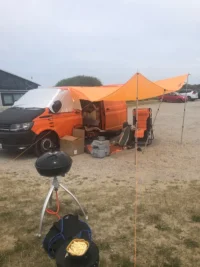
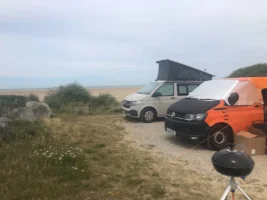
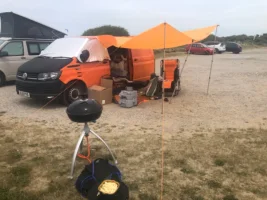
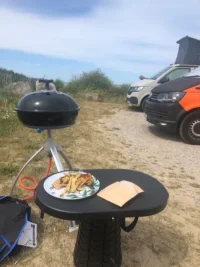
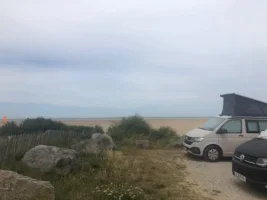
West Wittering Beach for the day.
Sun is out and nice sandy beach.
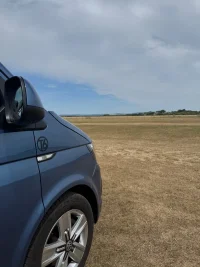
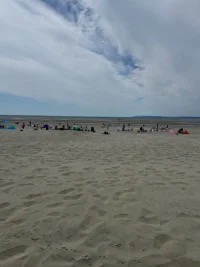
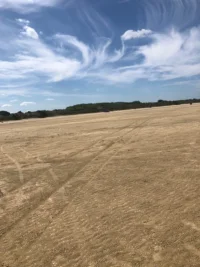
Sun is out and nice sandy beach.



It's a bit of brain twister isn't it? The basics are that there are two substances involved, usually water and ammonia. Water will absorb (hence the name) ammonia gas.Thank you. Never understood how a gas flame can refrigerate anything. I have got the guys at Leisuredrive looking into it at the moment so hopefully will be resolved.



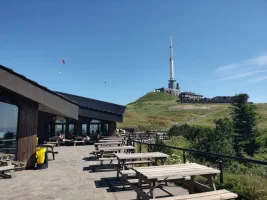




Where are you staying ? Tehidy ?Portreath in Cornwall, 243 miles one way, 2nd trip to Cornwall in van, trouble free so far touch wood


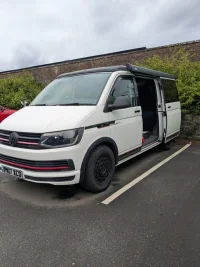
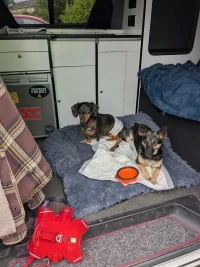
It's a little bit longer than this bugger to fit 5 and two dogs in but pulls wheelies for funLooks like a very short van in that shot.


Gwel an Mor cabin site for a weekWhere are you staying ? Tehidy ?
 stoped on parking for now for rest and to let can cool down a bit will check later if light will show up or was just one off or might as well call breakdown assistance to see what they say fffs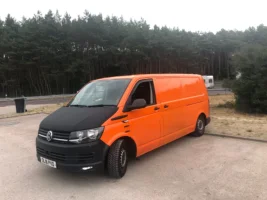

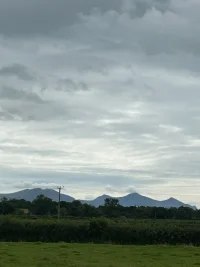
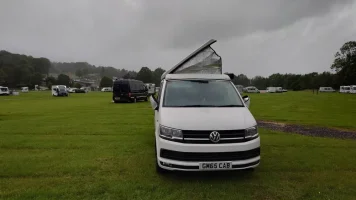
Isn't it supposed to be summer over your side of the world?Seathwaite campsite in the Lake District over the weekend as per earlier post. Walked the Corridor Route up to Scafell Pike. Not the best views at the top.View attachment 293848View attachment 293849View attachment 293850

It's very hit and miss in July. Apparently Seathwaite is the wettest place in the UK which didn't really help.Isn't it supposed to be summer over your side of the world?

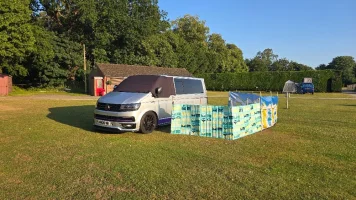
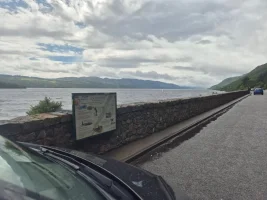

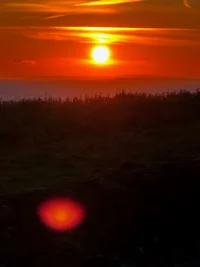



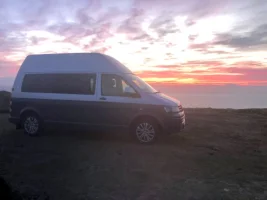
 Llyn peninsula, Gwynedd, last nights sunset